Author Archives: Blue Chip Staff

Nonprofit Staffing: Meeting the Unique Needs of Nonprofit Organizations with Blue Chip Staffing

Nonprofit Staffing: Blue Chip Staffing Meets the Unique Needs of Nonprofit Organizations

Nonprofit organizations constantly face the challenge of maximizing impact with limited resources, making the need for the right talent more crucial than ever. Staffing is a core element of any nonprofit’s success, but finding candidates who fit the unique requirements—budget restrictions, specialized skills, and mission alignment—can be a hurdle. Blue Chip Staffing’s dedicated nonprofit division steps in to address these challenges, offering tailored workforce solutions that support nonprofit success across the country.

Nonprofit employee delivering groceries.

Understanding the Unique Staffing Needs of Nonprofit Organizations

Unlike for-profit businesses, nonprofits prioritize social impact, often navigating distinct financial, cultural, and operational landscapes. Here’s what makes nonprofit staffing unique:

  • Budget Constraints: Nonprofits typically operate on limited budgets funded by donations and grants, requiring them to optimize staffing costs without sacrificing quality.
  • Skill Specialization: From fundraising and grant writing to program management, nonprofits often need candidates with niche skill sets, along with a commitment to their cause.
  • Mission-Driven Candidates: Nonprofit employees are usually passionate about the organization’s mission. Finding talent that resonates with these values is essential for long-term success.
  • Flexibility and Adaptability: Many nonprofit roles demand versatility, with employees often taking on multiple functions within the organization.

The Value of Specialized Staffing Solutions for Nonprofits

Given these unique needs, nonprofits benefit greatly from a staffing partner experienced in nonprofit dynamics. Blue Chip Staffing’s nonprofit-focused division supports these organizations by understanding their specific requirements and offering tailored solutions. Our approach combines strategic hiring practices and mission-focused recruiting to ensure nonprofits build effective, dedicated teams.

Blue Chip Staffing’s Commitment to Nonprofit Excellence

Our nonprofit division at Blue Chip Staffing is driven by a commitment to help organizations build teams that can fulfill their vital missions. We offer:

  • Access to Diverse Talent Pools: Our broad, diverse candidate base allows nonprofits to find talent that reflects the communities they serve.
  • Cost-Effective Staffing Solutions: Our commitment to competitive rates helps nonprofits maximize their staffing budgets without compromising on candidate quality.
  • Flexible Staffing Options: From temporary staffing to direct hires, we provide solutions tailored to nonprofits’ varying needs, whether for project-based roles or leadership positions.
  • Mission-Aligned Candidates: We invest time in understanding each nonprofit’s mission and values, matching them with candidates who are both skilled and passionate about the cause.

Building Strong Nonprofit Teams: Success Stories with Blue Chip Staffing

Nonprofit employees coming together.

Blue Chip Staffing is proud to have helped numerous nonprofits build strong, mission-driven teams. In one case, we supported a nonprofit in finding a bilingual program manager with essential language skills and deep alignment with the organization’s mission, resulting in significant outreach and program success.

Partner with Blue Chip Staffing for Nonprofit Success

Choosing the right staffing partner can be transformative for nonprofits. With a dedicated nonprofit division, Blue Chip Staffing offers solutions designed for the unique needs of these organizations, supported by our competitive fees, commitment to diversity, and high-quality candidates. We are honored to support nonprofits nationwide, helping them build strong teams to drive positive change in our communities.

Let Blue Chip Staffing help you build a workforce that’s ready to advance your mission.

Why More Companies Are Moving Away from Work-from-Home in 2024

In recent years, work-from-home has redefined the workplace, providing flexibility for employees and companies alike. However, a growing number of businesses are now opting to bring employees back to the office. In 2024, many organizations are citing productivity, team collaboration, and cybersecurity as key reasons behind this shift. This article explores why companies are moving away from remote work and back toward in-office settings, and what it means for employees and businesses moving forward.

Key Reasons Why Companies Are Moving Away from Remote Work

Understanding why companies are shifting back to in-office work is essential for anyone navigating today’s job market. Below are nine critical reasons behind the trend, with insights from industry research and expert analysis.

1. Increased Productivity and Focus in Office Environments

Despite the convenience of working from home, productivity is often a concern. Distractions at home can impact focus and efficiency. A 2023 report by XYZ Research Group found that 35% of managers observed a productivity decline with remote work, largely due to household distractions and inconsistent routines.

Returning to a structured office space enhances focus by providing a dedicated, distraction-free environment. For industries where productivity and consistent output are essential, the shift to in-office work provides clear benefits.

Remote employee working while dog is sleeping.

2. Enhanced Collaboration and Team Cohesion

In-person collaboration brings natural advantages over remote communication. Spontaneous conversations, immediate feedback, and the energy of shared spaces often foster stronger teamwork. Studies have shown that 64% of companies moving back to office environments do so to enhance team cohesion and boost collaborative efforts.

In industries like marketing, creative services, and product development, in-person communication allows teams to brainstorm more effectively and create a cohesive working environment that’s harder to replicate virtually

3. Strengthening Company Culture

A robust company culture goes beyond mission statements and values—it’s built through day-to-day interactions, shared experiences, and teamwork. Remote work has made it challenging for companies to foster this sense of community and culture effectively. In-office work brings employees together, making it easier for leaders to mentor, recognize achievements, and strengthen company values, ultimately helping attract and retain talent.

4. Streamlined Communication and Faster Decision-Making

Remote work often results in delays due to asynchronous communication. Managing multiple platforms, responding to messages across time zones, and waiting for feedback can slow down decision-making. With in-person communication, decisions are quicker, and team coordination is smoother, which is especially valuable in fast-paced industries where timely responses are crucial.

5. Enhanced Security and Reduced Cyber Risks

Cybersecurity is a growing concern for companies with remote employees. Using personal devices and unprotected home Wi-Fi networks increases the risk of data breaches. A 2022 study by CyberSafe Institute reported that 45% of businesses experienced security incidents due to remote work.

In-office work enables companies to implement stronger security measures, ensuring sensitive data remains protected. For sectors like finance, healthcare, and law, where data protection is critical, in-office work minimizes security risks.

6. Reestablishing Work-Life Boundaries for Employees

While remote work offers flexibility, it has blurred the line between work and personal life, leading to burnout for some employees. By returning to office settings, companies can help employees reestablish boundaries. A physical separation between home and work can significantly reduce stress, improve mental well-being, and encourage a healthier work-life balance.

7. Reducing “Zoom Fatigue” and Improving Engagement

The increase in video calls during remote work has led to “Zoom fatigue.” Prolonged virtual meetings can be mentally draining, and employees often feel disengaged. The American Psychological Association found that 65% of workers feel exhausted after video calls, impacting productivity and well-being.

In-person meetings are often shorter and more engaging, helping teams stay connected without the mental strain associated with video conferencing.

8. Creating More Opportunities for Career Growth

In-office work environments provide more visibility for employees, which can benefit career growth and development. Mentorship, spontaneous learning opportunities, and networking are easier in person. A 2023 survey by CareerPath Research showed that 70% of professionals believed in-office settings supported career advancement better than remote work. For entry-level employees, especially, being in the office allows for direct learning from more experienced colleagues.

9. Building a Flexible, Future-Ready Workforce

The pandemic demonstrated the importance of a flexible and resilient workforce. By blending remote and in-office work, companies create a hybrid model that combines the best of both worlds. While fully remote work may not be suitable long-term for many organizations, hybrid options allow businesses to stay adaptable, ready for future challenges.

Elaborate workstation meant for two people.

Final Thought

As companies navigate their post-pandemic strategies, the shift away from full-time work-from-home highlights a balanced approach. The return to the office isn’t a rejection of flexibility but rather a strategic choice that prioritizes productivity, team cohesion, and security. While remote work will likely remain a valuable option, many companies see in-office work as essential for building a strong culture, encouraging growth, and ensuring cybersecurity.

For employees and employers alike, the future of work lies in flexibility and adaptability, combining the best aspects of remote and in-person work to meet the evolving needs of a modern workforce. Whether you’re an employee considering a role with in-office requirements or a business leader weighing the pros and cons of hybrid models, understanding this shift can help you make informed decisions about the future.

The Importance of Soft Skills in Today’s Workforce: Why Communication, Teamwork, and Adaptability Matter

In the ever-evolving landscape of today’s job market, soft skills have taken center stage. Beyond technical expertise, employers are increasingly recognizing the value of qualities like communication, teamwork, adaptability, and problem-solving when making hiring decisions. Let’s explore why soft skills are essential in today’s workforce and how they contribute to successful career placements.

What Are Soft Skills?

Soft skills, often referred to as interpersonal or people skills, encompass a range of personal qualities and social competencies. Unlike hard skills, which are specific to tasks or jobs, soft skills are transferable across roles and industries. These include, but are not limited to:

  • Communication: The ability to convey ideas clearly and listen effectively.
  • Teamwork: Collaborating with others to achieve a common goal.
  • Adaptability: Adjusting to new situations and challenges with ease.
  • Problem-solving: Finding solutions to unexpected issues.
  • Emotional intelligence: Recognizing and managing emotions in oneself and others.

Employees working on a project.

Why Soft Skills Are in High Demand

In today’s workforce, where collaboration and innovation are highly valued, soft skills are critical. Employers seek candidates who not only possess technical know-how but also have the interpersonal skills to work well in teams, communicate effectively, and adapt to new challenges. According to a LinkedIn study, 92% of talent professionals and hiring managers say soft skills matter as much or more than hard skills.

1. Enhancing Team Collaboration and Productivity

  • Teamwork is a cornerstone of most organizations, especially as workplaces become more collaborative. Employees who can work well with others, contribute ideas, and respect diverse perspectives create a more harmonious and productive work environment.
  • Communication skills support teamwork by ensuring that messages are clearly conveyed, minimizing misunderstandings, and allowing for effective feedback and collaboration.

2. Improving Client Relations and Customer Satisfaction

  • In customer-facing roles, communication is key to maintaining strong relationships and ensuring customer satisfaction. Employees who listen actively and empathize with clients are better positioned to address their needs, creating positive experiences that benefit the organization.
  • Emotional intelligence further enhances client relations by helping employees respond thoughtfully, even in challenging situations.

3. Adapting to Change and Overcoming Challenges

  • The modern workplace is dynamic, with technological advancements and market shifts occurring at a rapid pace. Adaptability enables employees to adjust to these changes without losing productivity. This skill is crucial as it allows employees to embrace new processes, software, and workflows with minimal disruption.
  • In times of crisis, employees with strong problem-solving skills can think on their feet, identify solutions, and help steer the team through challenging situations.

4. Boosting Workplace Morale and Reducing Turnover

  • Employees with well-developed soft skills contribute to a positive work culture. Good communicators, empathetic leaders, and adaptable team members foster an environment where colleagues feel valued and motivated.
  • Reduced turnover is another benefit, as employees who feel they’re in a supportive, communicative workplace are less likely to seek opportunities elsewhere.

Key Soft Skills Employers Are Looking For

1. Communication Skills

Communication is consistently one of the top soft skills employers seek. In a world dominated by virtual meetings, emails, and instant messaging, employees who communicate clearly and effectively are invaluable. Good communication reduces errors, improves project efficiency, and ensures that all team members are aligned.

2. Teamwork and Collaboration

No matter the industry, teamwork is essential. Employees who can collaborate, share ideas, and support one another contribute to a more dynamic and efficient workplace. Team players bring a positive attitude to their roles, are more open to receiving and giving feedback, and contribute to a culture of continuous improvement.

3. Adaptability and Flexibility

Adaptability is particularly important in industries that are rapidly evolving. Employers value employees who can pivot when necessary and embrace change as an opportunity for growth. Adaptable employees are also better equipped to handle unexpected challenges, making them assets in uncertain times.

4. Problem-solving and Critical Thinking

Problem-solving skills enable employees to address challenges effectively without excessive supervision. Critical thinkers can analyze a situation, weigh options, and choose the best solution, which can be especially valuable in high-stakes or time-sensitive situations.

The Role of Soft Skills in Career Placement Success

In competitive job markets, candidates with a strong set of soft skills often stand out to employers. While technical skills may qualify a candidate for a position, it’s often the soft skills that ensure they thrive in the role and contribute to the organization’s long-term success. Here’s how soft skills make a difference in successful placements:

  • Better Cultural Fit: Hiring managers increasingly look for candidates whose personalities align with the company culture, as this can lead to greater job satisfaction and longevity.
  • Improved Team Dynamics: Candidates with strong teamwork skills integrate more smoothly into teams, allowing them to become productive faster and contribute meaningfully.
  • Long-term Potential: Adaptability and problem-solving skills indicate a candidate’s potential to grow within the organization and take on more responsibility over time.

How to Develop and Showcase Your Soft Skills

If you’re looking to improve or highlight your soft skills, here are some actionable tips:

  • Practice active listening to improve communication skills. Pay attention to nonverbal cues and show empathy during conversations.
  • Engage in team activities outside of work to build collaboration skills. Group projects, volunteering, or even team sports can help.
  • Embrace new challenges to enhance adaptability. Taking on new roles or learning new tools can help you adjust more easily to change.
  • Reflect on past experiences to improve problem-solving skills. Analyzing how you handled difficult situations in the past can reveal patterns in your decision-making process.

Employee pitching the next great idea to executives.

Soft Skills Are Essential for Career Success

In today’s workforce, soft skills are more than a bonus—they’re essential for career success and advancement. By developing and showcasing your abilities in communication, teamwork, adaptability, and problem-solving, you’ll not only stand out to employers but also be better equipped to thrive in any professional environment. Whether you’re a job seeker or looking to advance in your career, investing in soft skills will help you build lasting professional relationships, adapt to new roles, and contribute meaningfully to your team and organization.

Common Mistakes in the Hiring Process and How to Avoid Them

The hiring process can be challenging, especially in today’s competitive job market. A single misstep can lead to the wrong hire, which can cost a company time, money, and valuable resources. This article outlines some of the most common mistakes made during the hiring process and offers strategies to help you avoid them. By fine-tuning your approach, you can improve your hiring outcomes, attract top talent, and boost employee retention.

1. Not Defining the Role Clearly

Mistake: Jumping into the hiring process without a well-defined role can lead to confusion for both the employer and the candidate. A vague job description can attract unqualified candidates and discourage qualified ones who aren’t clear on what’s expected.

Solution: Create a detailed job description that includes specific responsibilities, required skills, qualifications, and expectations. Work closely with the hiring team and department heads to ensure that everyone is on the same page about the role’s purpose and goals.

2. Overlooking Cultural Fit

Mistake: Hiring based solely on skills and experience without considering cultural fit can result in a mismatch between the employee and the company environment. Even the most qualified candidate can struggle to thrive in an environment where they don’t feel comfortable.

Solution: During interviews, assess candidates’ values, work styles, and adaptability. Ask behavioral questions that reveal how they handle challenges, collaborate with others, and align with the company’s mission and values. A candidate who resonates with the company culture is more likely to succeed and stay long-term.

Supervisor overseeing staff while giving valuable instructions.

3. Relying Too Heavily on the Resume

Mistake: Resumes only provide a glimpse of a candidate’s background. Relying solely on them can result in overlooking important qualities like problem-solving abilities, interpersonal skills, and adaptability.

Solution: Use resumes as a starting point but prioritize interviews and assessments to evaluate the candidate’s practical skills and soft skills. Consider integrating skills tests, situational judgment tests, and real-life scenario tasks to get a well-rounded view of their abilities.

4. Failing to Prepare for Interviews

Mistake: Going into an interview without a structured plan can lead to unproductive conversations and missed opportunities to evaluate the candidate properly.

Solution: Prepare a list of targeted questions that align with the key skills, experiences, and attributes you’re seeking. Use a consistent set of questions to ensure a fair comparison between candidates, but allow flexibility for follow-up questions based on the candidate’s responses.

5. Rushing the Hiring Decision

Mistake: Pressuring yourself to hire quickly can lead to poor decisions. This often happens when a team is understaffed or experiencing high workloads, but rushing can result in overlooking important red flags or skipping critical steps.

Solution: Take the time to conduct a thorough screening, even if it means shortlisting fewer candidates. Include a few rounds of interviews, if necessary, and consider involving team members in the final decision-making process to get diverse perspectives.

6. Neglecting to Check References

Mistake: Skipping reference checks can lead to hiring someone who may not be the right fit for the role or company. References can provide valuable insight into a candidate’s past performance and behavior in the workplace.

Solution: Always conduct thorough reference checks by speaking with former supervisors, colleagues, or clients. Ask specific questions to gain a clear understanding of the candidate’s strengths, weaknesses, and working style.

7. Inadequate Onboarding Process

Mistake: A lackluster onboarding process can make new hires feel unsupported and unprepared, leading to decreased engagement and retention.

Solution: Design a structured onboarding program that helps new employees understand their role, team dynamics, and company culture. Provide resources, training, and regular check-ins to ensure they feel equipped and valued.

8. Overlooking Internal Candidates

Mistake: Focusing only on external candidates and neglecting internal talent can lead to missed opportunities for growth and can demoralize current employees.

Solution: Consider internal candidates when hiring. They may already understand the company’s culture and processes and could transition smoothly into new roles. Encourage employees to apply for open positions and provide career development resources to foster growth within the organization.

A person learning new skills using a laptop and additional mont

9. Ignoring Data-Driven Decision Making

Mistake: Relying solely on intuition instead of data can result in biased hiring decisions. Without data, it’s hard to measure the effectiveness of hiring strategies or understand which methods work best.

Solution: Utilize data analytics tools to track key hiring metrics, such as time-to-fill, cost-per-hire, and candidate experience scores. This data can inform your future hiring decisions, improve recruitment efficiency, and ultimately lead to better hires.

Conclusion: By avoiding these common hiring mistakes, companies can create a more effective, efficient, and fair hiring process. A well-structured hiring strategy that prioritizes clarity, culture, preparation, and data can help organizations find the right candidates, improve retention, and build a positive work environment. Remember, investing time and effort into the hiring process is ultimately an investment in the future of your organization.

The Future of AI in the Workforce: Should You Be Worried?

Artificial Intelligence (AI) is transforming every industry, from healthcare to finance, by automating tasks, analyzing massive datasets, and streamlining operations. However, as AI becomes increasingly sophisticated, it brings up a pressing question: will AI take over human jobs? Should the workforce be worried about its future? This article delves into the impacts of AI on the workforce, potential risks, and the opportunities it may create.

The Current Landscape: How AI is Shaping the Workforce

AI is not just a futuristic concept but a reality that’s already reshaping the workforce in many ways. Industries worldwide are implementing AI to improve efficiency, reduce costs, and provide innovative services. Examples include:

  • Automation of Repetitive Tasks: AI is automating routine tasks, freeing up human workers to focus on creative and strategic responsibilities.
  • Enhanced Decision-Making: Data-driven AI tools are helping organizations make more informed decisions, optimizing business processes and reducing errors.
  • Customer Service: Chatbots and virtual assistants are handling customer inquiries 24/7, improving user experience and reducing the need for human customer service representatives.

While AI has brought significant benefits, it also raises concerns about job displacement and the future roles of human employees.

https://bluechipstaff.com/wp-content/uploads/2025/02/unsplash-image-YeoSV_3Up-k.jpg

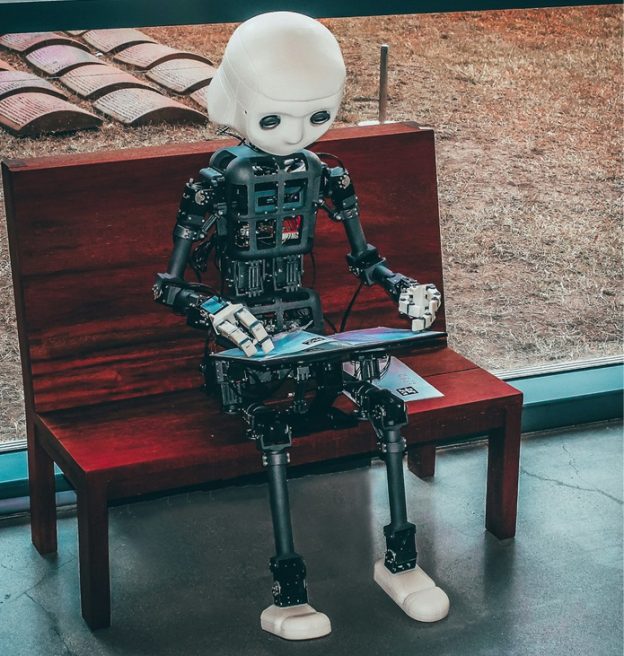
Two AI robots performing job duties.

Potential Risks: Job Displacement and Reskilling

Job Displacement

One of the most frequently discussed concerns about AI is job displacement. Studies have shown that roles involving repetitive tasks are most susceptible to automation. Positions in manufacturing, retail, and even some areas of healthcare may be at risk. According to a report from the World Economic Forum, automation could disrupt approximately 85 million jobs by 2025, but it’s also expected to create 97 million new ones.

The Need for Reskilling and Upskilling

As some jobs become obsolete, others will emerge, requiring new skills. The need for digital literacy, AI-related competencies, and problem-solving abilities will become more prominent. Employers and employees alike must adapt to this shift by focusing on continuous learning, reskilling, and upskilling. Organizations are now investing in training programs to help their workforce transition into new roles shaped by AI technology.

Societal and Ethical Implications

Beyond job displacement, AI introduces societal challenges, including privacy concerns, bias in decision-making algorithms, and the ethical use of AI. Ensuring that AI technologies are used responsibly will require new regulations, transparency, and oversight.

Opportunities Created by AI in the Workforce

Despite the risks, AI brings unique opportunities to the workforce that can improve work quality and job satisfaction.

  • Creation of New Job Roles: AI is creating entirely new roles, including data scientists, AI specialists, machine learning engineers, and AI ethicists.
  • Increased Productivity: By automating time-consuming tasks, AI enables employees to focus on high-value work, such as strategy and innovation, which can boost productivity and job satisfaction.
  • Enhanced Work Flexibility: AI-powered tools allow for more flexible work environments, with remote work technologies and intelligent scheduling platforms making it easier to balance personal and professional commitments.

The Future of AI: Human-AI Collaboration

The future of AI is likely to be a collaborative one, where AI complements rather than replaces human abilities. This collaboration can be seen in various sectors:

  • Healthcare: AI assists doctors in diagnostics, allowing for faster and more accurate patient care.
  • Education: AI can personalize learning experiences, helping teachers cater to individual student needs.
  • Manufacturing: Cobots (collaborative robots) are working alongside human workers, improving efficiency while reducing physical strain.

Human workers bring critical thinking, emotional intelligence, and creativity to the table—skills that AI is far from replicating. By combining AI’s strengths with human expertise, the future workforce can achieve unprecedented levels of innovation and efficiency.

Preparing for the AI-Driven Workforce

To prepare for an AI-driven future, employees, employers, and policymakers must be proactive in their approach. Here are some steps to consider:

  • Invest in Education and Training: Emphasizing AI literacy and digital skills will be essential in staying competitive.
  • Promote Lifelong Learning: The rapid evolution of technology means employees should be encouraged to continuously learn and adapt.
  • Develop Ethical Guidelines: Clear standards and regulations can help manage the societal impact of AI, ensuring it is used responsibly.

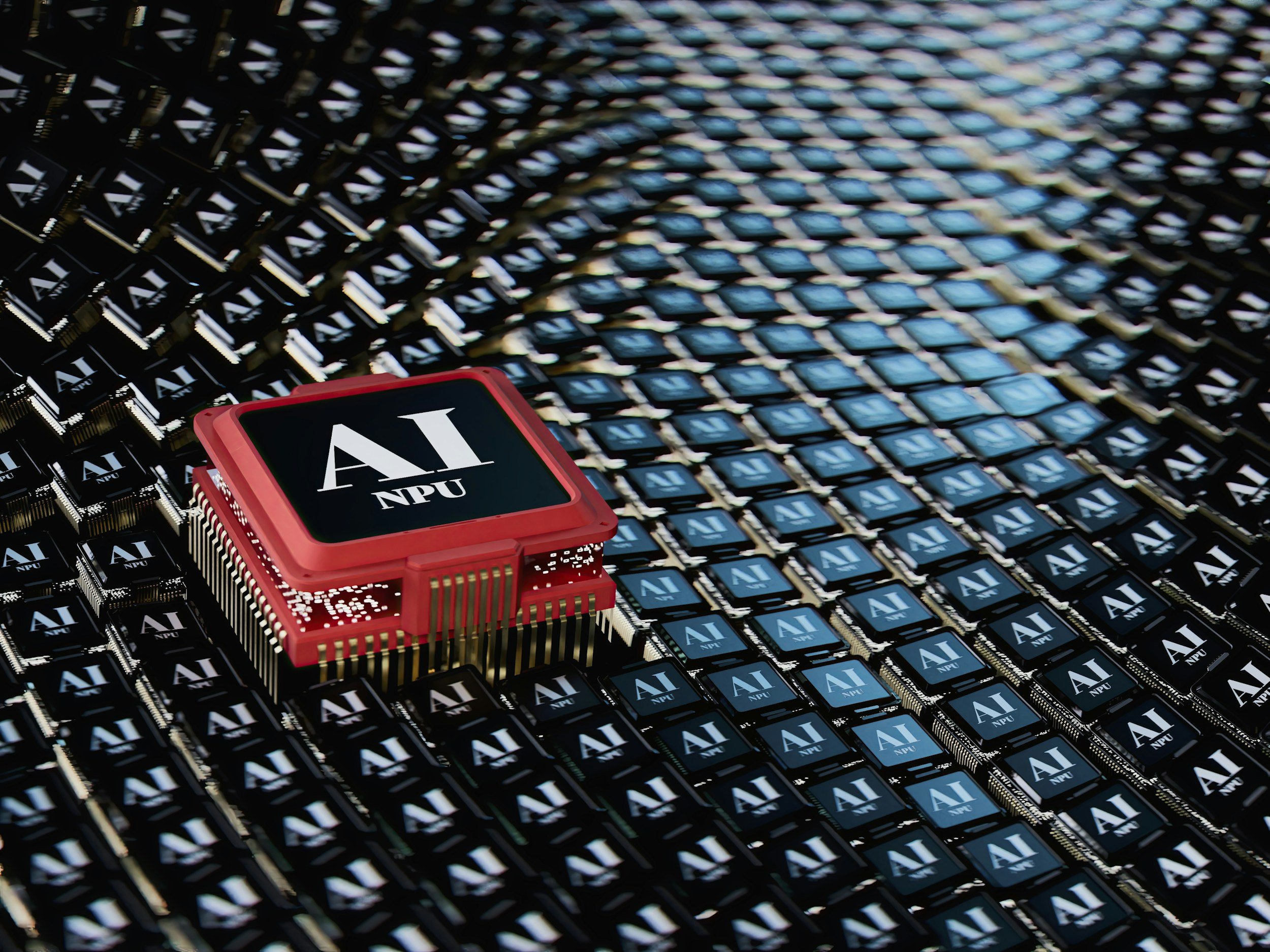
AI chip, this is crucial to the next iteration of technology.

Embrace AI with Caution

The future of AI in the workforce is full of potential, but it also presents significant challenges. While some jobs may be lost to automation, many more will be created, shifting the nature of work rather than eliminating it. By embracing AI thoughtfully, investing in skills, and fostering ethical practices, both individuals and organizations can navigate the AI-driven future successfully. So, should you be worried? Perhaps a better question is: how can you prepare to thrive in the new AI-powered workplace?