- Nationwide Staffing
- Recruitment@bluechipstaff.com

The Future of AI in the Workforce: Should You Be Worried?
Artificial Intelligence (AI) is transforming every industry, from healthcare to finance, by automating tasks, analyzing massive datasets, and streamlining operations. However, as AI becomes increasingly sophisticated, it brings up a pressing question: will AI take over human jobs? Should the workforce be worried about its future? This article delves into the impacts of AI on the workforce, potential risks, and the opportunities it may create.
The Current Landscape: How AI is Shaping the Workforce
AI is not just a futuristic concept but a reality that’s already reshaping the workforce in many ways. Industries worldwide are implementing AI to improve efficiency, reduce costs, and provide innovative services. Examples include:
- Automation of Repetitive Tasks: AI is automating routine tasks, freeing up human workers to focus on creative and strategic responsibilities.
- Enhanced Decision-Making: Data-driven AI tools are helping organizations make more informed decisions, optimizing business processes and reducing errors.
- Customer Service: Chatbots and virtual assistants are handling customer inquiries 24/7, improving user experience and reducing the need for human customer service representatives.
While AI has brought significant benefits, it also raises concerns about job displacement and the future roles of human employees.

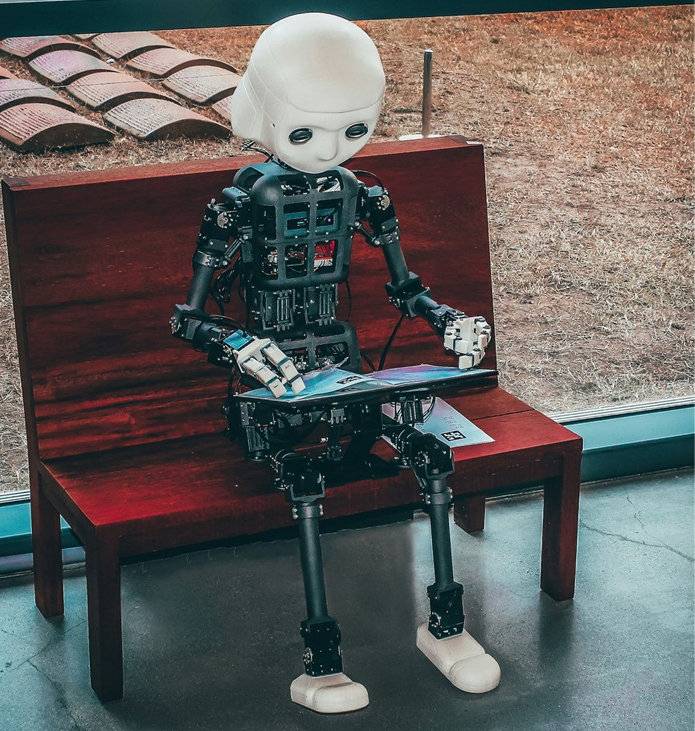
Two AI robots performing job duties.
Potential Risks: Job Displacement and Reskilling
Job Displacement
One of the most frequently discussed concerns about AI is job displacement. Studies have shown that roles involving repetitive tasks are most susceptible to automation. Positions in manufacturing, retail, and even some areas of healthcare may be at risk. According to a report from the World Economic Forum, automation could disrupt approximately 85 million jobs by 2025, but it’s also expected to create 97 million new ones.
The Need for Reskilling and Upskilling
As some jobs become obsolete, others will emerge, requiring new skills. The need for digital literacy, AI-related competencies, and problem-solving abilities will become more prominent. Employers and employees alike must adapt to this shift by focusing on continuous learning, reskilling, and upskilling. Organizations are now investing in training programs to help their workforce transition into new roles shaped by AI technology.
Societal and Ethical Implications
Beyond job displacement, AI introduces societal challenges, including privacy concerns, bias in decision-making algorithms, and the ethical use of AI. Ensuring that AI technologies are used responsibly will require new regulations, transparency, and oversight.
Opportunities Created by AI in the Workforce
Despite the risks, AI brings unique opportunities to the workforce that can improve work quality and job satisfaction.
- Creation of New Job Roles: AI is creating entirely new roles, including data scientists, AI specialists, machine learning engineers, and AI ethicists.
- Increased Productivity: By automating time-consuming tasks, AI enables employees to focus on high-value work, such as strategy and innovation, which can boost productivity and job satisfaction.
- Enhanced Work Flexibility: AI-powered tools allow for more flexible work environments, with remote work technologies and intelligent scheduling platforms making it easier to balance personal and professional commitments.
The Future of AI: Human-AI Collaboration
The future of AI is likely to be a collaborative one, where AI complements rather than replaces human abilities. This collaboration can be seen in various sectors:
- Healthcare: AI assists doctors in diagnostics, allowing for faster and more accurate patient care.
- Education: AI can personalize learning experiences, helping teachers cater to individual student needs.
- Manufacturing: Cobots (collaborative robots) are working alongside human workers, improving efficiency while reducing physical strain.
Human workers bring critical thinking, emotional intelligence, and creativity to the table—skills that AI is far from replicating. By combining AI’s strengths with human expertise, the future workforce can achieve unprecedented levels of innovation and efficiency.
Preparing for the AI-Driven Workforce
To prepare for an AI-driven future, employees, employers, and policymakers must be proactive in their approach. Here are some steps to consider:
- Invest in Education and Training: Emphasizing AI literacy and digital skills will be essential in staying competitive.
- Promote Lifelong Learning: The rapid evolution of technology means employees should be encouraged to continuously learn and adapt.
- Develop Ethical Guidelines: Clear standards and regulations can help manage the societal impact of AI, ensuring it is used responsibly.
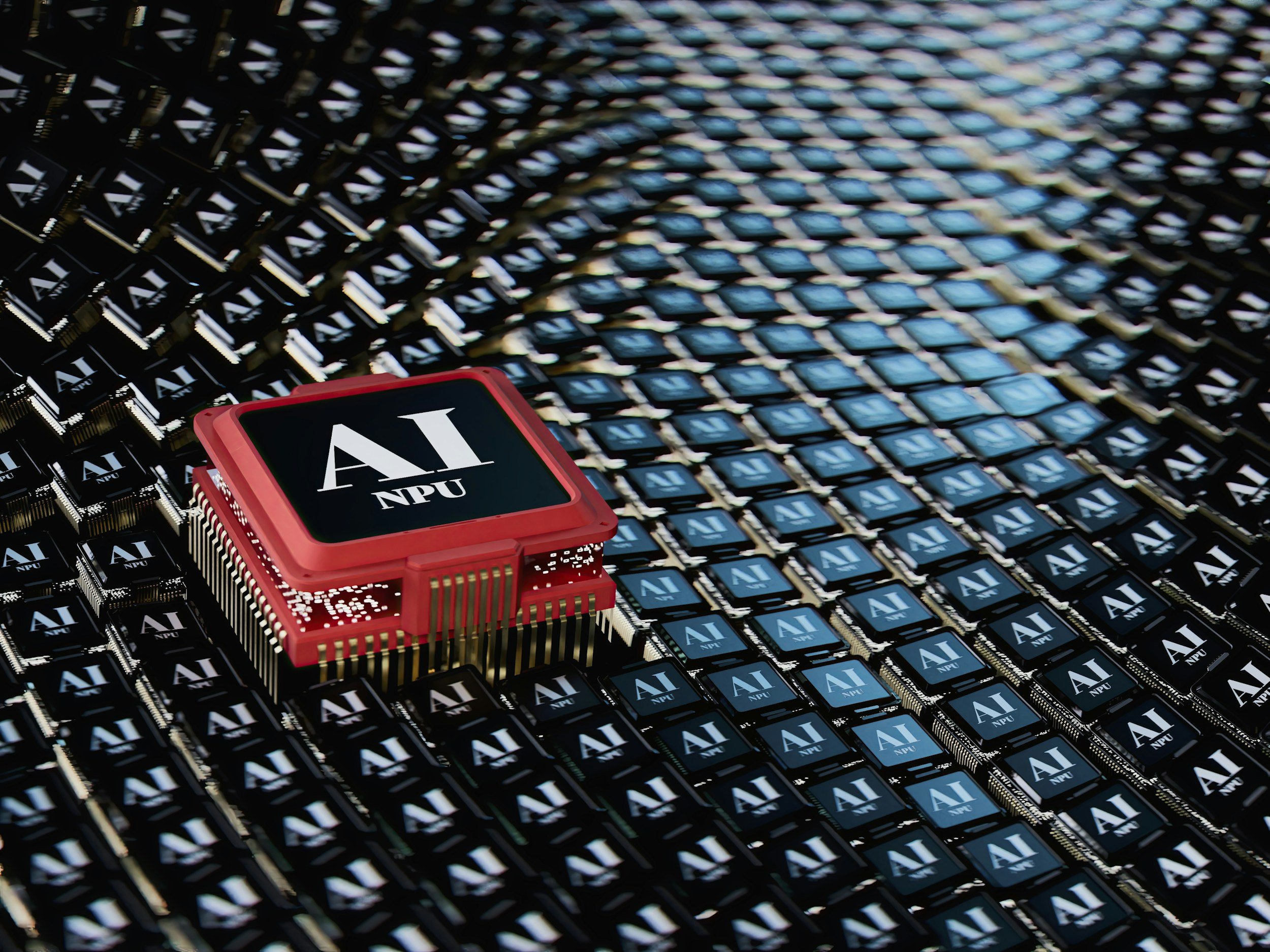
AI chip, this is crucial to the next iteration of technology.
Embrace AI with Caution
The future of AI in the workforce is full of potential, but it also presents significant challenges. While some jobs may be lost to automation, many more will be created, shifting the nature of work rather than eliminating it. By embracing AI thoughtfully, investing in skills, and fostering ethical practices, both individuals and organizations can navigate the AI-driven future successfully. So, should you be worried? Perhaps a better question is: how can you prepare to thrive in the new AI-powered workplace?